Blog
Beyond the pad: Deicing challenges in Canada’s North
February 15, 2026
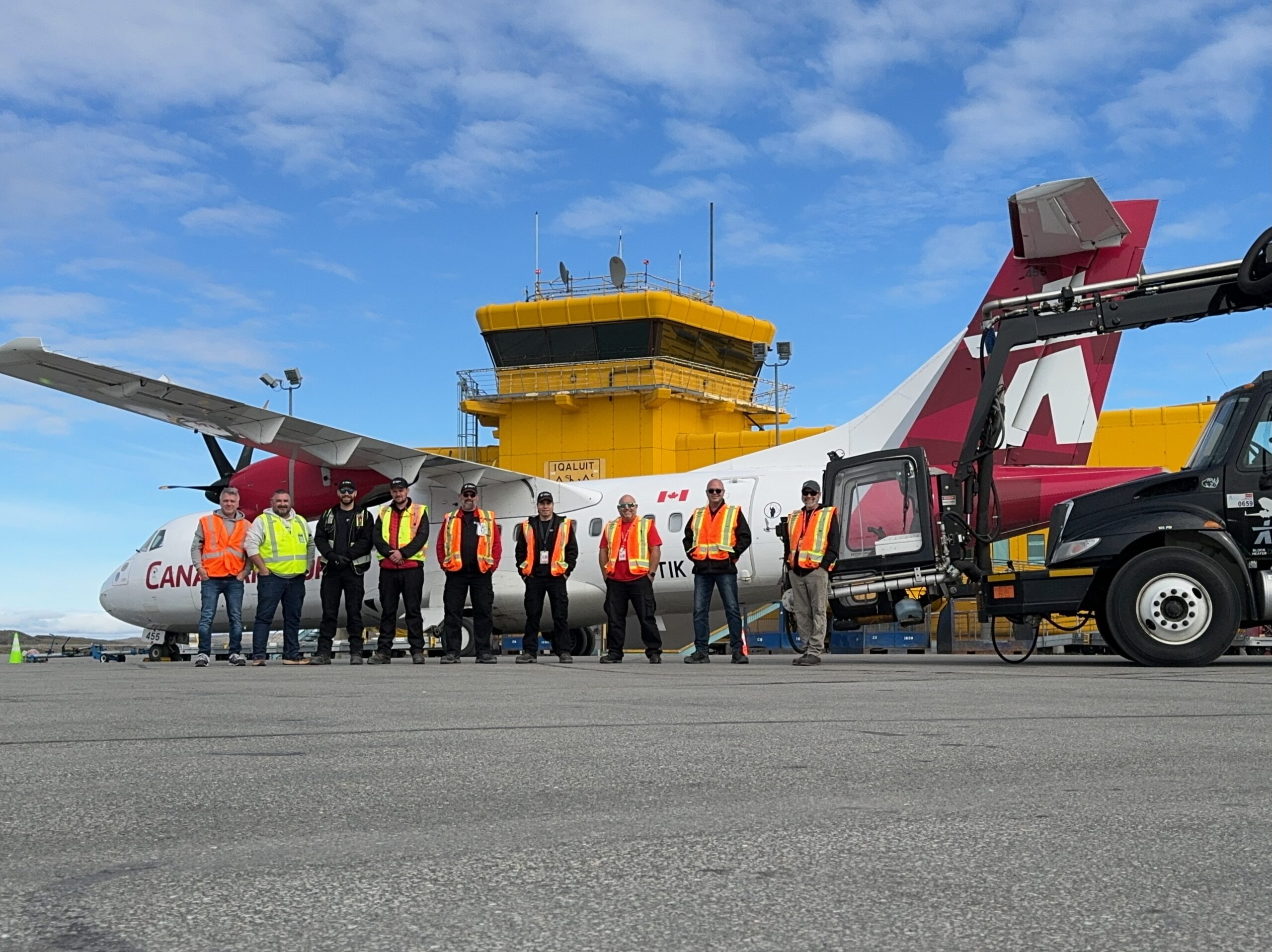
Ensuring safe and reliable winter operations is challenging in the best of times. For airlines operating in Canada’s remote northern regions, where air service is a vital lifeline for the communities they serve, those challenges are amplified.
Extreme weather, geographic isolation, limited infrastructure, and economic realities all combine to create an operating environment unlike anything addressed by conventional deicing standards or regulatory frameworks. As a result, achieving effective and compliant deicing in the north rarely comes from off-the-shelf solutions. Instead, operators often rely on simple, sometimes improvised systems, to manage the complex mix of variables.
The 2017 Fond-du-Lac deicing accident was a stark wake-up call for northern operators. It showed how past operational success, even when built on deficient or improvised practices, can slowly normalize unsafe procedures over time. Little by little, these workarounds start to feel routine, quietly masking the underlying risk until the margin for error is eventually exceeded, often with tragic consequences.
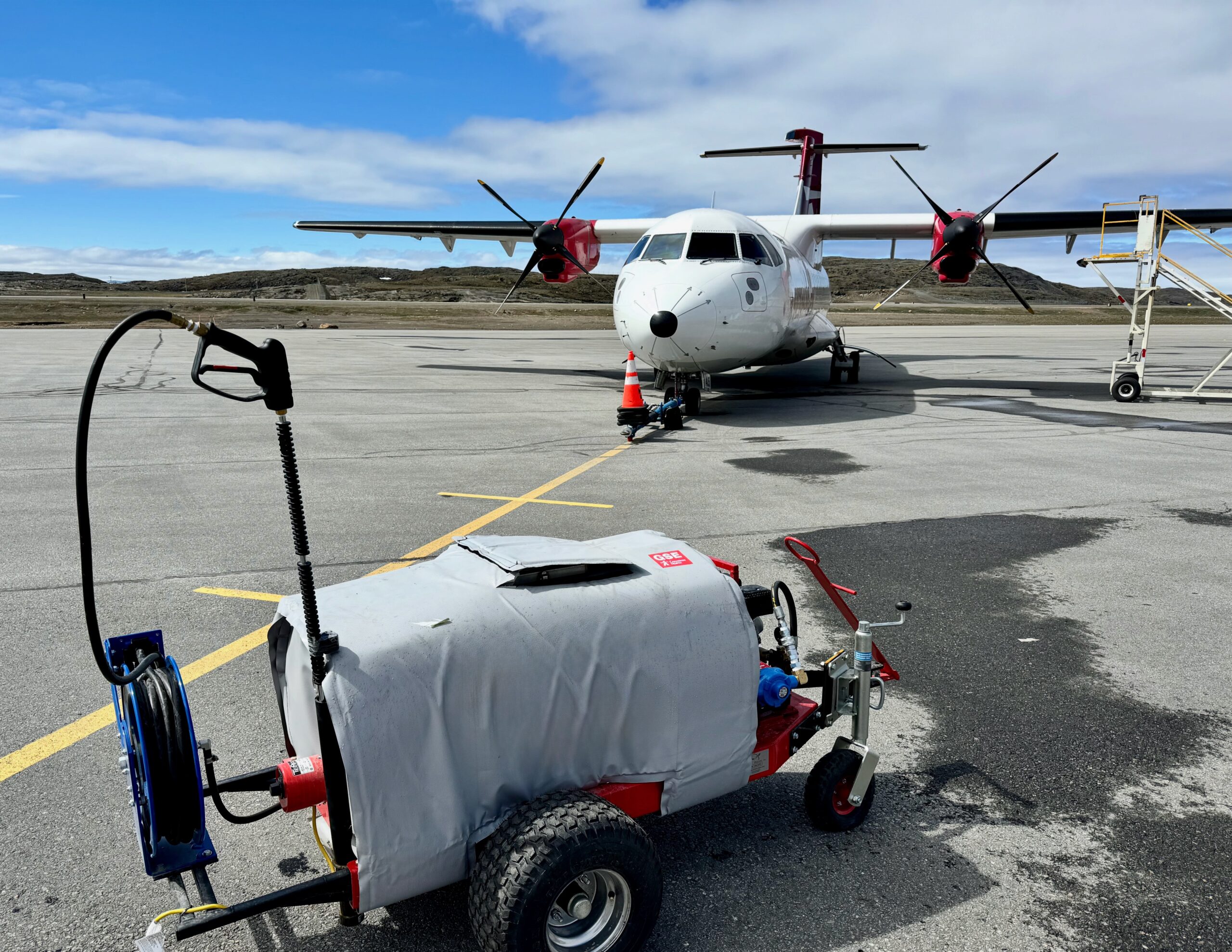 The path to normalization is easy to understand. Northern operating environments are inherently harsh and unforgiving, with airports that are remote, minimally equipped, and logistically complex to support. Facilities and modern infrastructure are limited, and access to specialized equipment, trained personnel, and consistent supply chains can be challenging. Within this reality, deploying modern deicing solutions at northern stations can quickly become a significant financial burden, one that is hard to justify for operators managing low daily flight volumes or infrequent deicing demand.
Another layer of complexity in northern operations is the use of de/anti-icing fluids. Historically, most northern operators have relied almost exclusively on a one-step process with Type I, often applied using relatively rudimentary equipment. While this approach can be effective at removing contamination from the aircraft, it provides little or no holdover protection, making operations in active precipitation extremely difficult. Thickened anti-icing fluids such as Type III and Type IV offer a potential solution, but introducing these fluids is far from simple as they require specialized application equipment, revised procedures, and additional training, all of which represent meaningful investments for operators already managing tight operational margins. Fluid performance itself also becomes problematic in extreme cold, as holdover time performance degrades with lower temperatures and the fluids all have caps on their lowest operational use temperatures. For northern operators, adopting thickened fluid capability is therefore not just a procedural change, but a broader shift in infrastructure, cost, and operational philosophy.
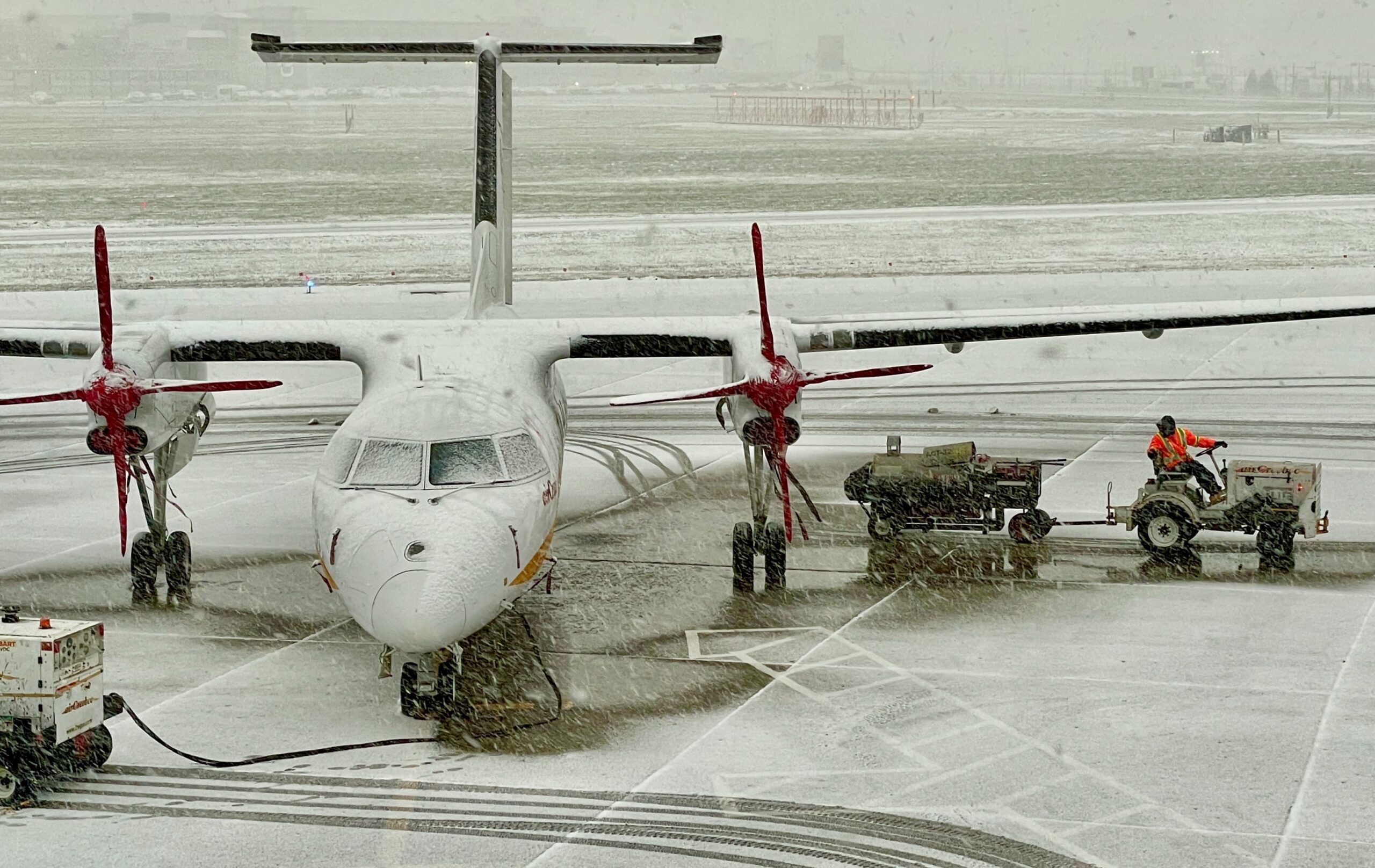 Ultimately, winter operations in the north have often become an exercise in managed compromise. Operators must optimize procedures, adapt to limited resources, and make conservative operational decisions such as cancelling flights to offset gaps in infrastructure, equipment, and staffing. The economic reality cannot be ignored: investing millions in permanent winter infrastructure for a small number of annual movements is rarely sustainable, even when safety remains the overriding priority.
While the challenges of operating in the north are unlikely to disappear anytime soon, the outlook is steadily improving. More operators are investing in stronger programs, better equipment, and more sustainable long-term strategies that recognize the unique realities of northern aviation. At SureConsult, we’ve had the privilege of working alongside northern operators for years, not just to solve immediate problems, but to build practical, realistic pathways toward safer and more resilient winter operations. Our approach has always been collaborative: listening first, understanding local constraints, and helping partners implement solutions that actually work in their environment. As the industry continues to evolve, we remain committed to supporting our partners, sharing knowledge across the deicing community, and helping move the conversation forward.